I became a therapist because I am endlessly curious about people
I’ve always been interested in how we make sense of things, how we perceive and interpret things, the stories we tell ourselves. Why we do what we do. How change actually happens — and why, even when we desperately want it, it can still be so hard.
I've spent my life paying attention to people — as a writer, editor, naturalist, massage therapist, and college writing instructor. I've run a small newspaper, taught writing at a university, worked as a park ranger, built things from scratch in places many people would not — including remote parts of the Chihuahuan Desert of far west Texas, and off-grid in Colorado and New Mexico. I've moved a lot. And I've navigated my share of the hard stuff: family dysfunction, grief, and — just recently confirmed — my own ADHD (which explains so much).
I came to therapy work in 2020, when the pandemic hit and I closed my massage therapy practice and pivoted to graduate studies in clinical mental health counseling. Then I moved to Colorado to be near bigger mountains, more water and trees and public land, and built a counseling practice I'm genuinely proud of. Before that: ten years as a massage therapist gave me a deep understanding of how stress, grief, and trauma live in the body. That shapes how I listen, what I notice, and how I do this work now.
My approach to therapy
I'm integrative, pulling from multiple frameworks depending on what you actually need. The undercurrent is a balance of acceptance and change: we work with who you are, why that makes so much sense given what you have experienced and what you learned to do to survive, and we work toward who you want to be, your preferred version of yourself and your life.
I'm warm, genuine, pragmatic, and direct. And a little irreverent. I laugh. I swear. I'll validate you and I'll challenge you — often in the same session, because if you want different results, you have to try different things.
Outside of work
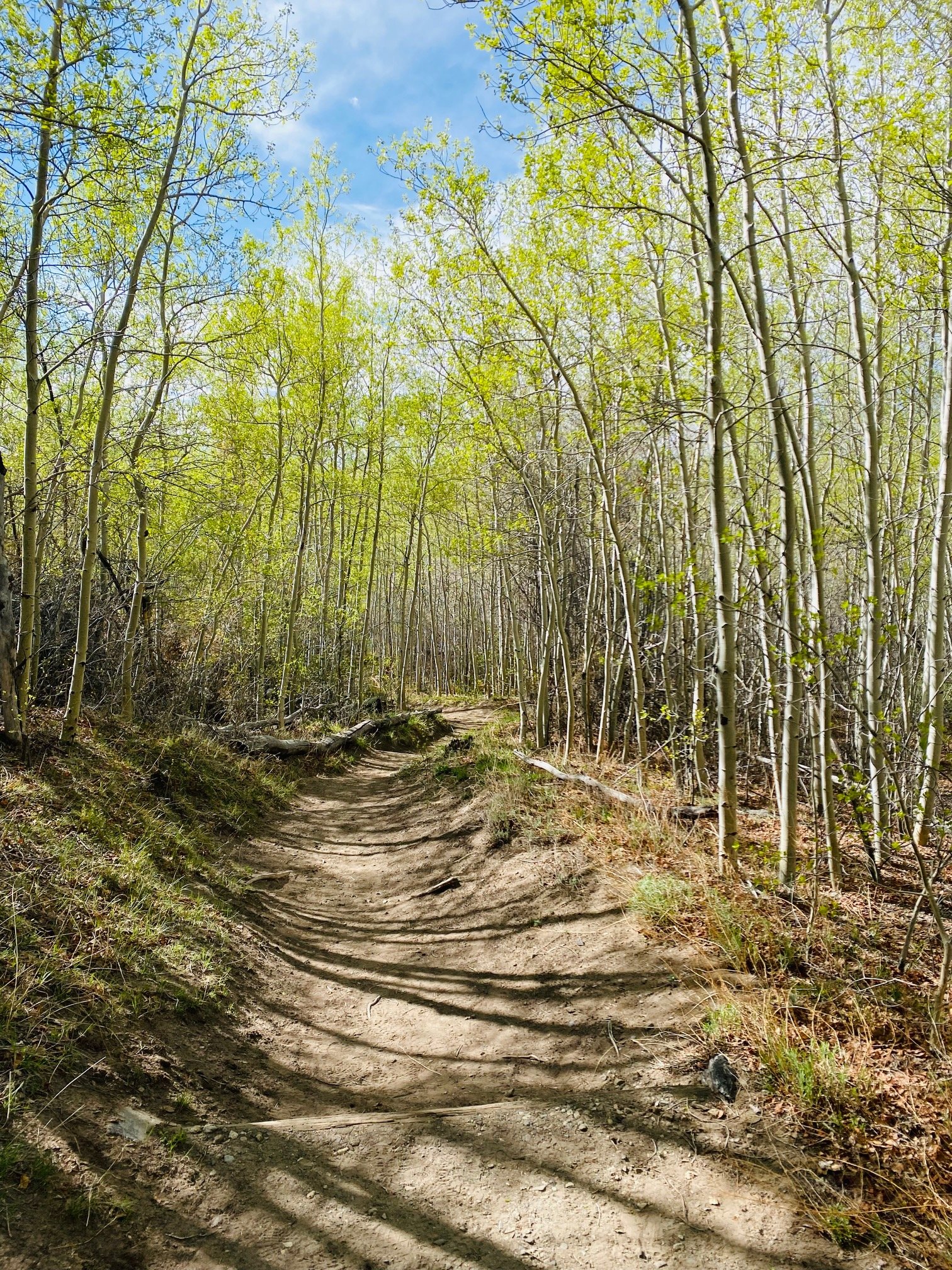
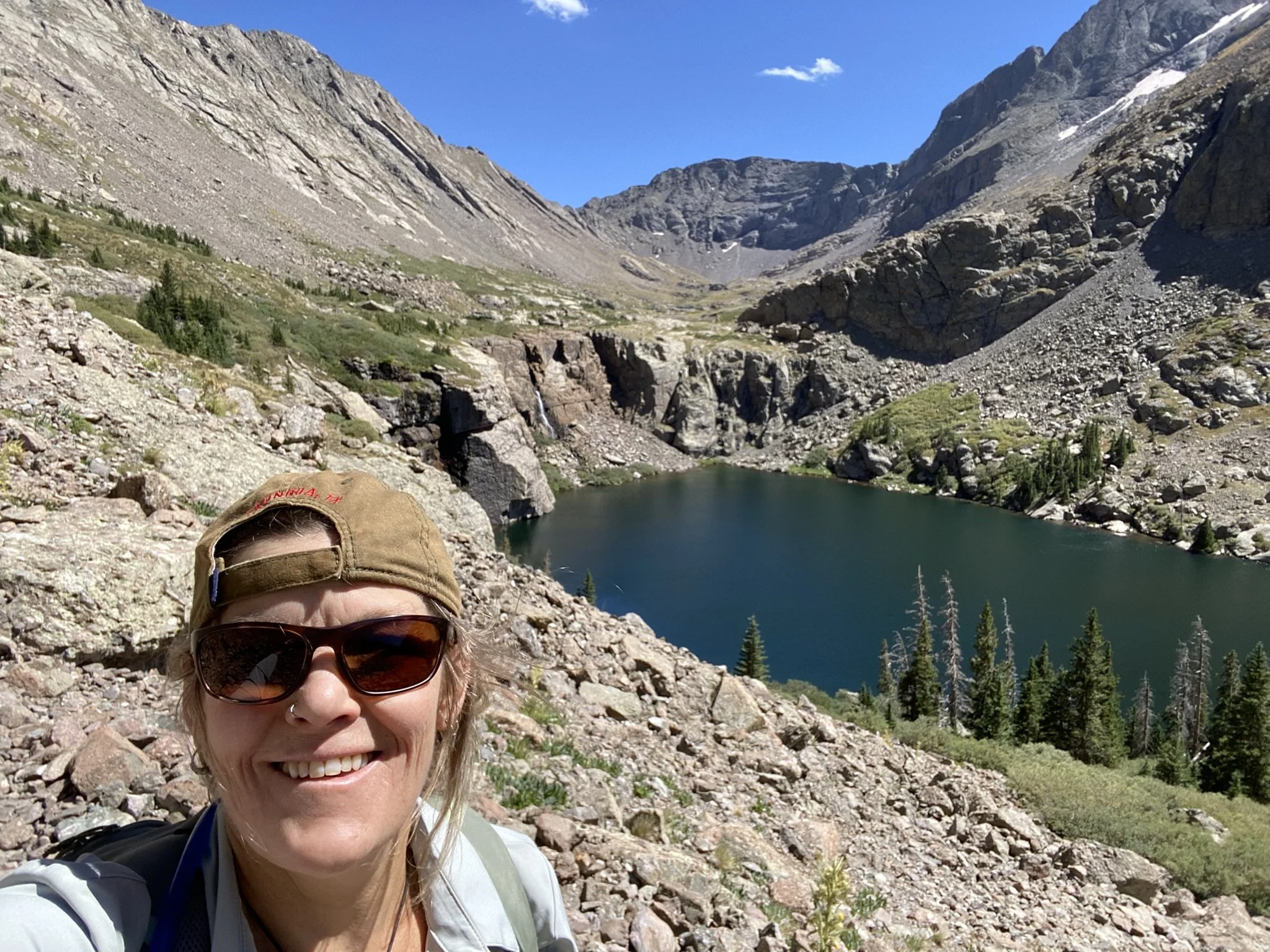
When I'm not working, I may be hiking somewhere in the mountains, biking, hooping, writing, scheming about travel, fawning over my cats, or talking with friends. I aspire to be fluent in Spanish and French, to actually play the ukulele, and to get back to knitting. I love warm water — snorkeling, kayaking, paddleboarding, floating. I've lived all over the U.S., loved a lot of landscapes, made a lot of friends, and rescued a fair number of cats.
I'm not a blank slate behind a clipboard. I'm a person who brings presence, humor, and genuine curiosity into the space to allow us to connect, because that's what allows therapy to actually work.
Training & approaches
from which I draw
Internal Family Systems (IFS)
Dialectical Behavior Therapy (DBT)
Mindfulness-based practices
Acceptance & Commitment Therapy (ACT)
Solution-Focused Brief Therapy (SFBT)
Emotionally Focused Therapy (EFT) for couples
Eye Movement Desensitization and Reprocessing (EMDR) — used selectively
Somatic awareness — informed by 10 years as a bodyworker
What I'm most drawn to: creative, self-aware adults, often neurodivergent, often from families marked by emotional immaturity and dysfunction. People who understand themselves well and still can't quite get out of their own way. I get it. I've lived versions of it.
You don't have to perform being the ideal client here
You can get angry. You can vent. You can swear. You can cry. You can be stoic. You can laugh. You can be full of contradictions. You can question me, yourself, your family, your diagnosis, my suggestions, your choices. You can show up uncertain and contradictory and not-quite-together. That's not a problem to manage — that's the actual work. Being human is messy and often hilarious and endlessly interesting.
A few things my clients say
about our work together
"I felt genuinely challenged — not judged."
"I learned crucial skills I actually use."
"I started believing I was allowed to live well, and that was actually a gift not only to myself but to my partner and friends and family."
"She gets ADHD. She didn't make me feel broken.”